
Welcome to Six Treasures
Where generations of Chinese culinary wisdom meet the pristine quality of Switzerland. Our dumplings are a celebration of heritage—each one is hand-made using traditional methods passed down through several generations of skilled artisans.
Authentic Chinese Dumplings Hand-Crafted with Swiss Excellence
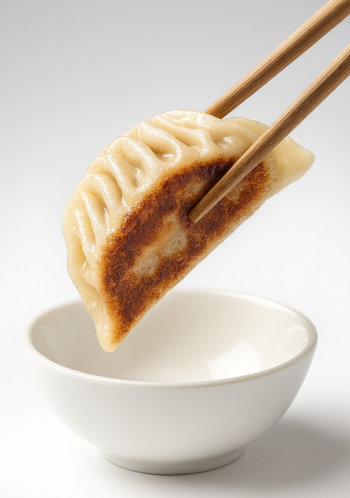
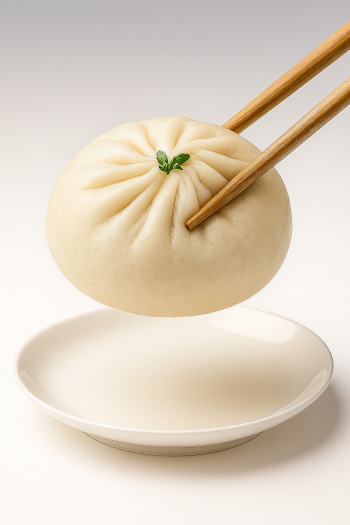
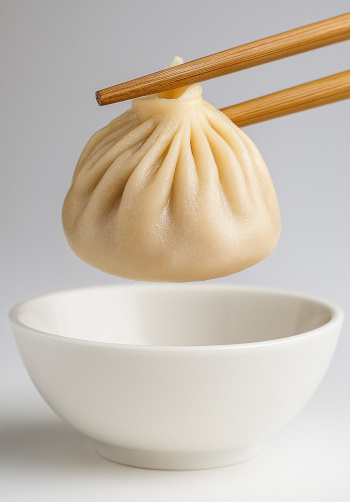
Every dumpling we create is a small masterpiece: juicy, succulent, and bursting with authentic flavor. From the delicate folding of the wrapper to the perfect balance of seasonings, we honor the time-tested techniques that have made Chinese dumplings beloved around the world.
At Six Treasures, purity and quality are non-negotiable. We use only all-natural ingredients—absolutely no chemical additives or artificial colorings. Every ingredient, from the finest flour to the freshest vegetables and premium meats, is carefully sourced in Switzerland, ensuring exceptional quality in every bite.
Hand-Crafted
Every dumpling is folded with care and precision by skilled hands

Traditional Recipes
Traditional methods preserved and perfected over generations

100% Natural
No additives, no preservatives, no artificial colors

Swiss Quality
All ingredients locally sourced from trusted Swiss suppliers
A Brief History of Chinese Dumplings
An Ancient Culinary Legacy
Chinese dumplings, known as jiaozi (饺子), carry a rich history spanning nearly two thousand years. Legend attributes their invention to Zhang Zhongjing, a renowned physician from the Eastern Han Dynasty (around 200 AD). During a harsh winter, Zhang witnessed villagers suffering from frostbitten ears. Moved by compassion, he created small pouches of dough filled with warming herbs, mutton, and spices, then boiled them to create a medicinal food. The resemblance of these dumplings to ears led to their original name, “tender ear” dumplings. Not only did they provide nourishment, but they also helped heal the villagers’ ailments.
Symbol of Prosperity and Unity
Over centuries, dumplings evolved from medicinal food to a beloved staple of Chinese cuisine. Their crescent shape came to resemble ancient Chinese gold and silver ingots (yuanbao), transforming dumplings into powerful symbols of wealth and prosperity. This symbolism made them essential during Lunar New Year celebrations, where families gather to make dumplings together—a tradition that continues today. The communal preparation represents unity, with each family member contributing to the careful folding and pleating that creates the dumpling’s distinctive shape.
Regional Diversity and Cultural Significance
As dumplings spread throughout China, each region developed its own variations. Northern Chinese favor wheat-based dumplings, often boiled or steamed, while southern regions embrace rice flour wrappers and diverse cooking methods including pan-frying and deep-frying. Fillings expanded far beyond the original recipe to include countless combinations of pork, vegetables, seafood, and seasonings, reflecting local tastes and available ingredients. Whether served as shuijiao (boiled), zhengijao (steamed), or guotie (potstickers), dumplings remain deeply woven into Chinese culture—served at celebrations, festivals, and family gatherings.
A Global Treasure
Today, Chinese dumplings have transcended borders, becoming beloved worldwide while maintaining their cultural essence. From humble medicinal beginnings to their status as comfort food cherished across continents, dumplings embody the Chinese culinary philosophy of balance, harmony, and the bringing together of people through shared meals. Each dumpling carries within it centuries of tradition, the warmth of family gatherings, and the timeless art of transforming simple ingredients into something extraordinary.
Find your personal favourite
